Press room
Every road to Santiago is a string of pearls. Each pearl formed around a grain of dust from its place, layered with the nacre of its surroundings — the deeds and the minglings of all who walked it before.
The story
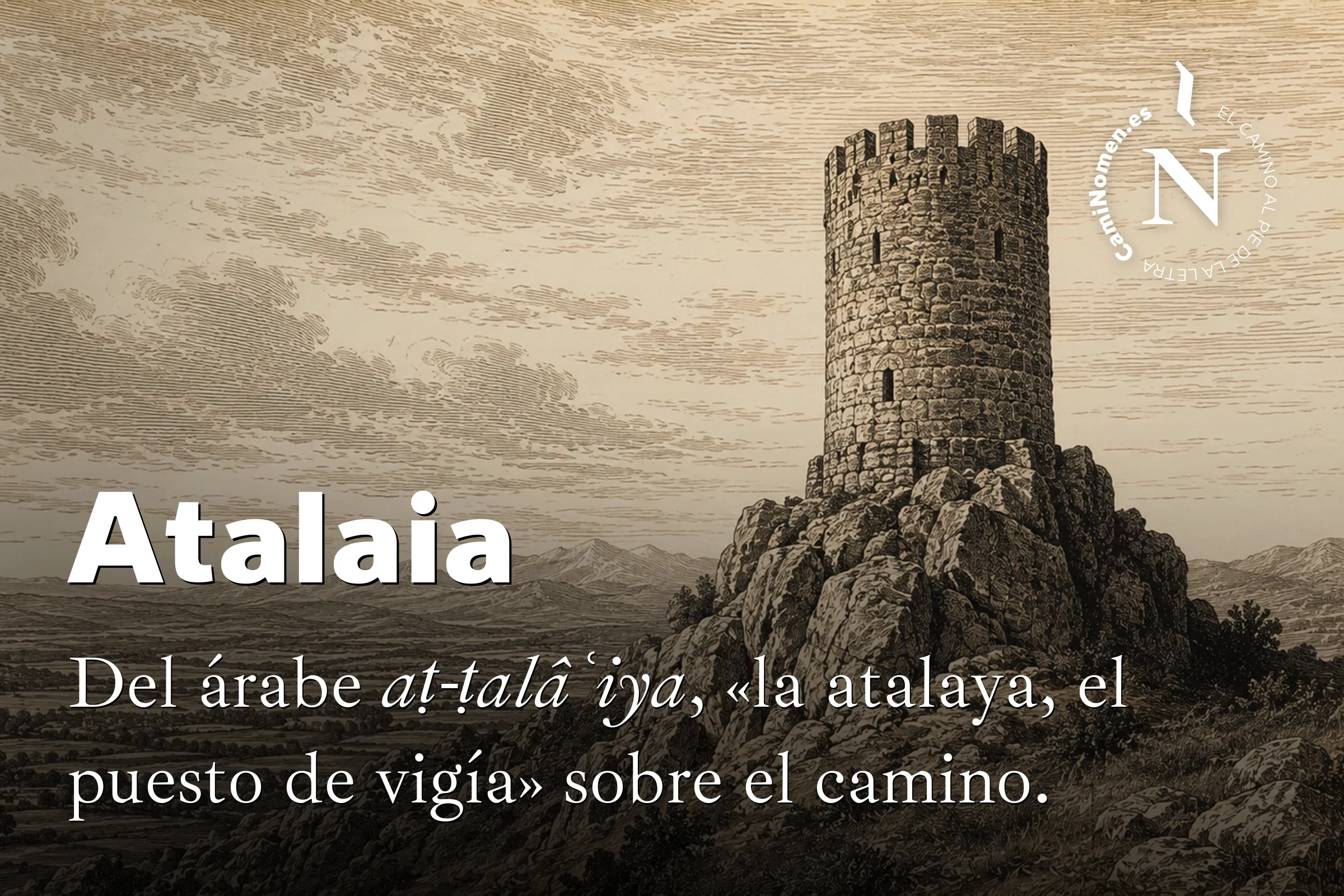
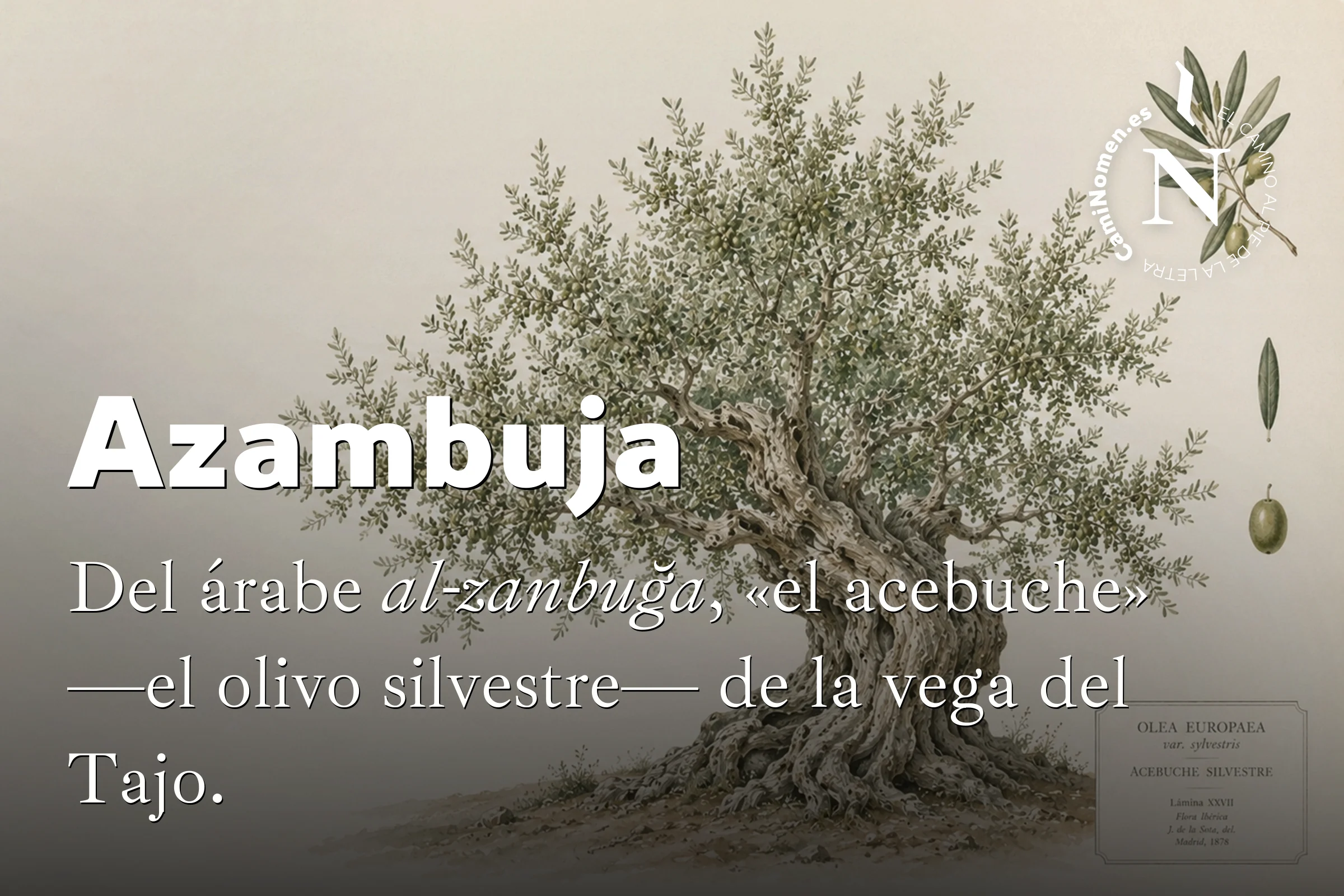
A place name is rarely random. The qualities of its surroundings define it. Cultural stages make it evolve. Historical moments change it.
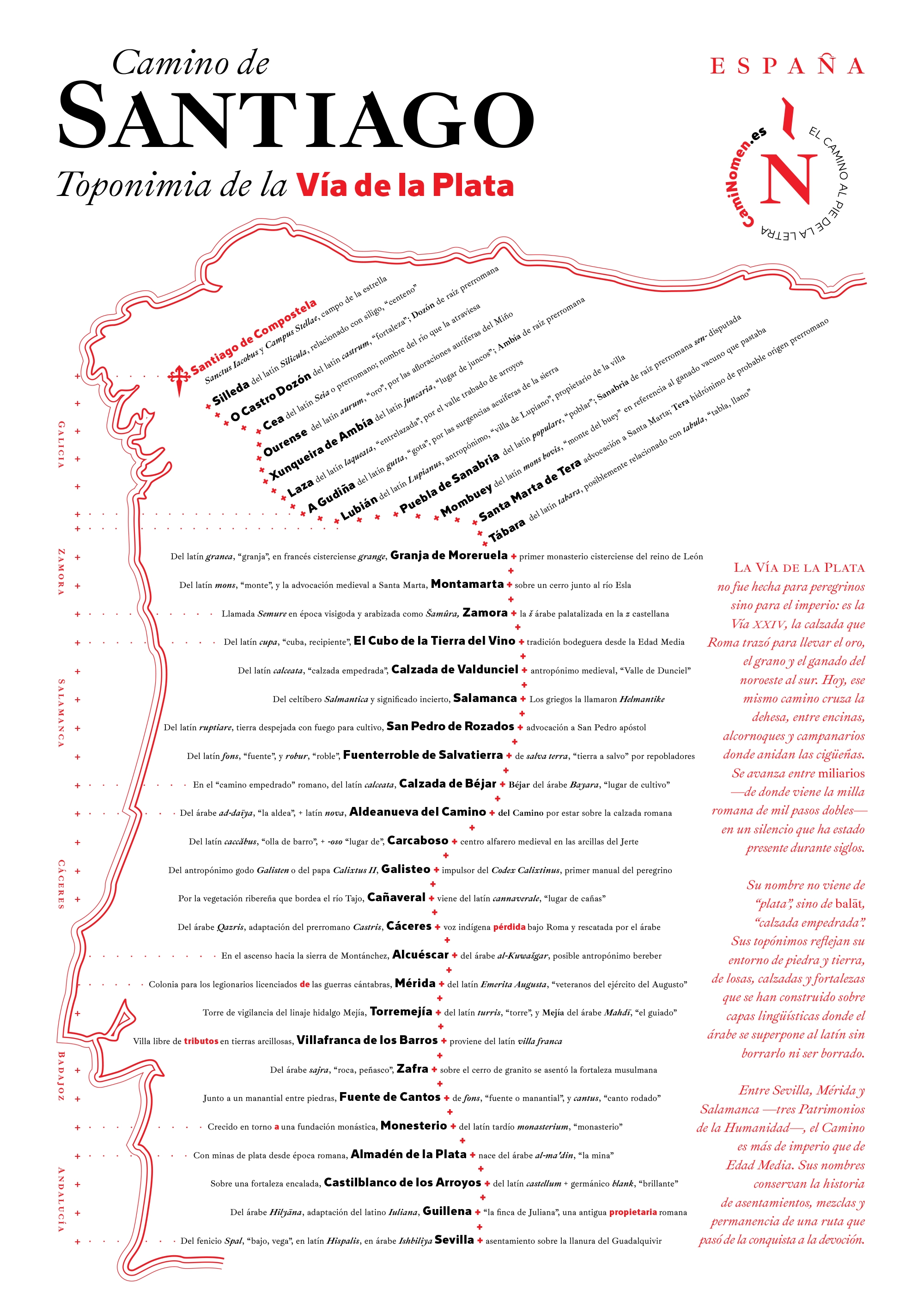
The toponymy of the Camino de Santiago is well documented, but reaching it takes patience, focus and dedication. Without it, the pilgrim misses the realisation that the town where they slept bears the name of whoever built the bridge they crossed; or that it comes from the metal that gave rise to its industry; or that it springs from the landscape that is worth pausing to behold.
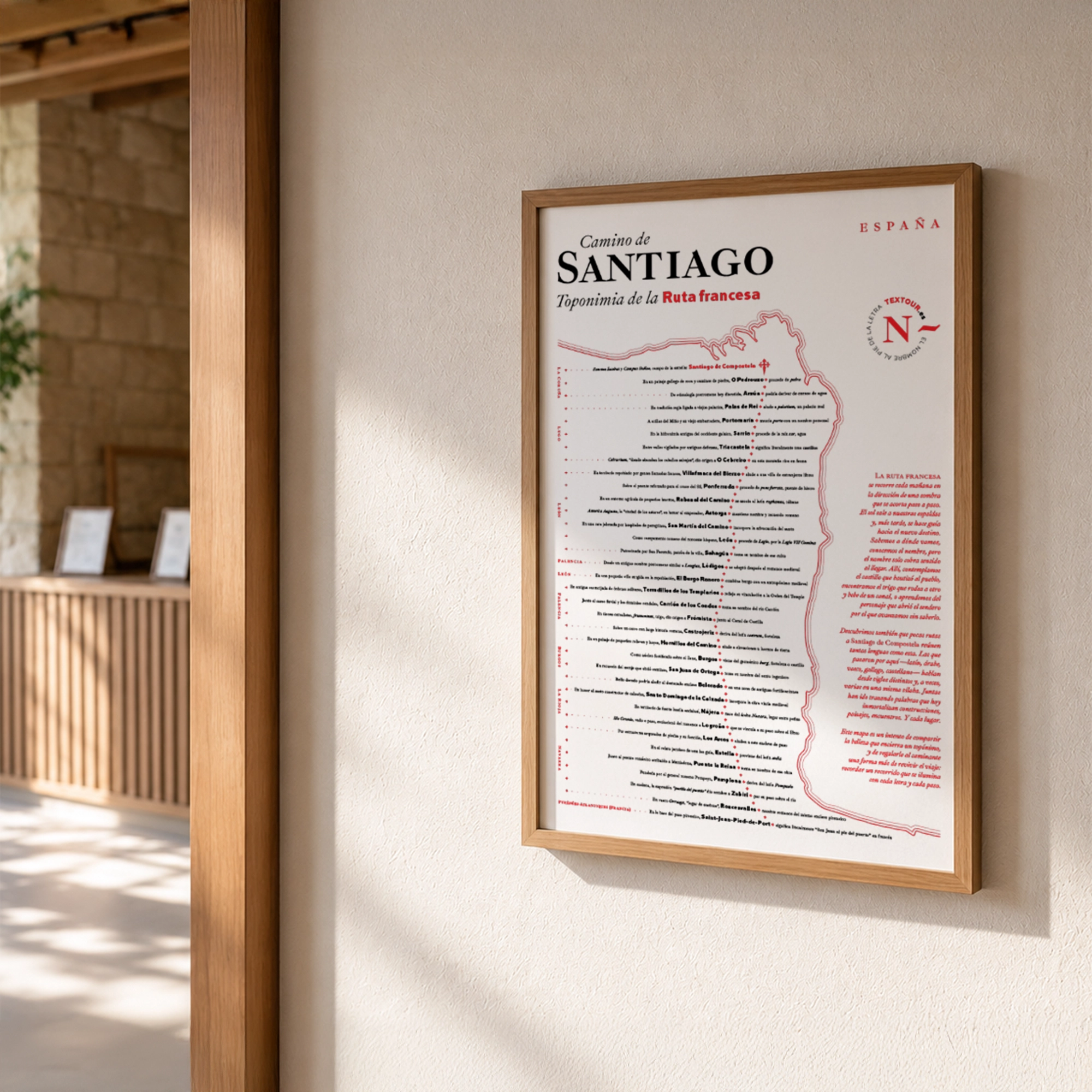
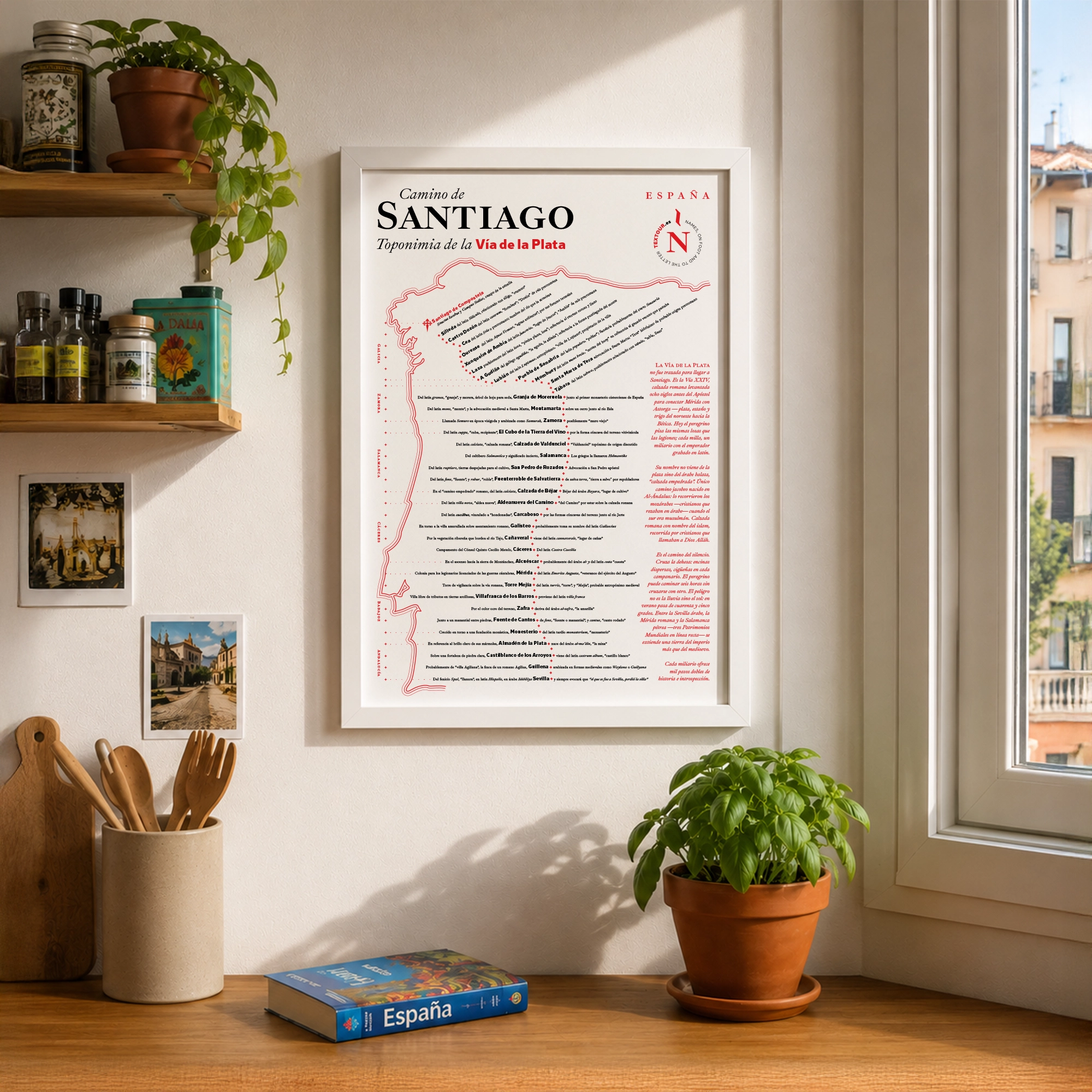
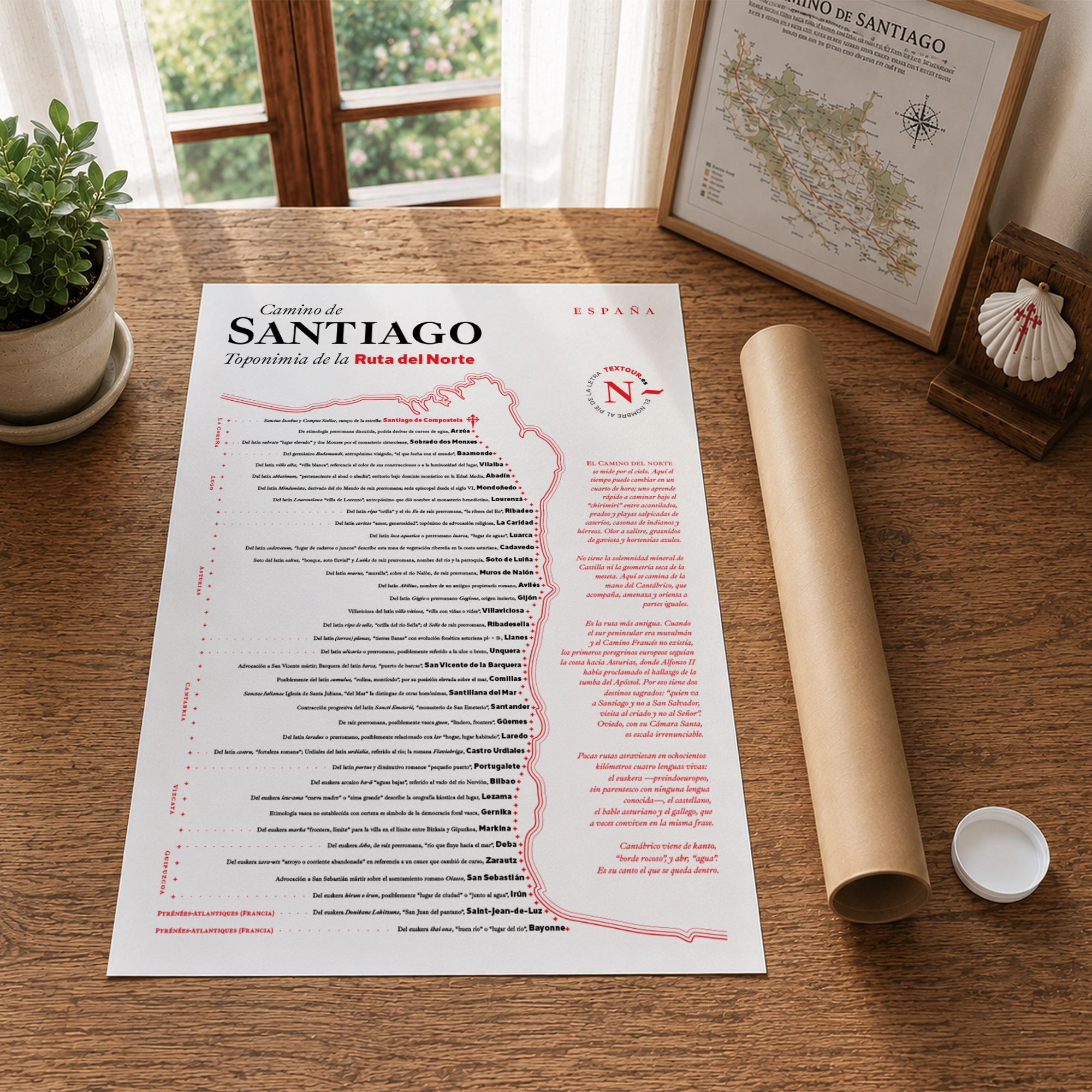
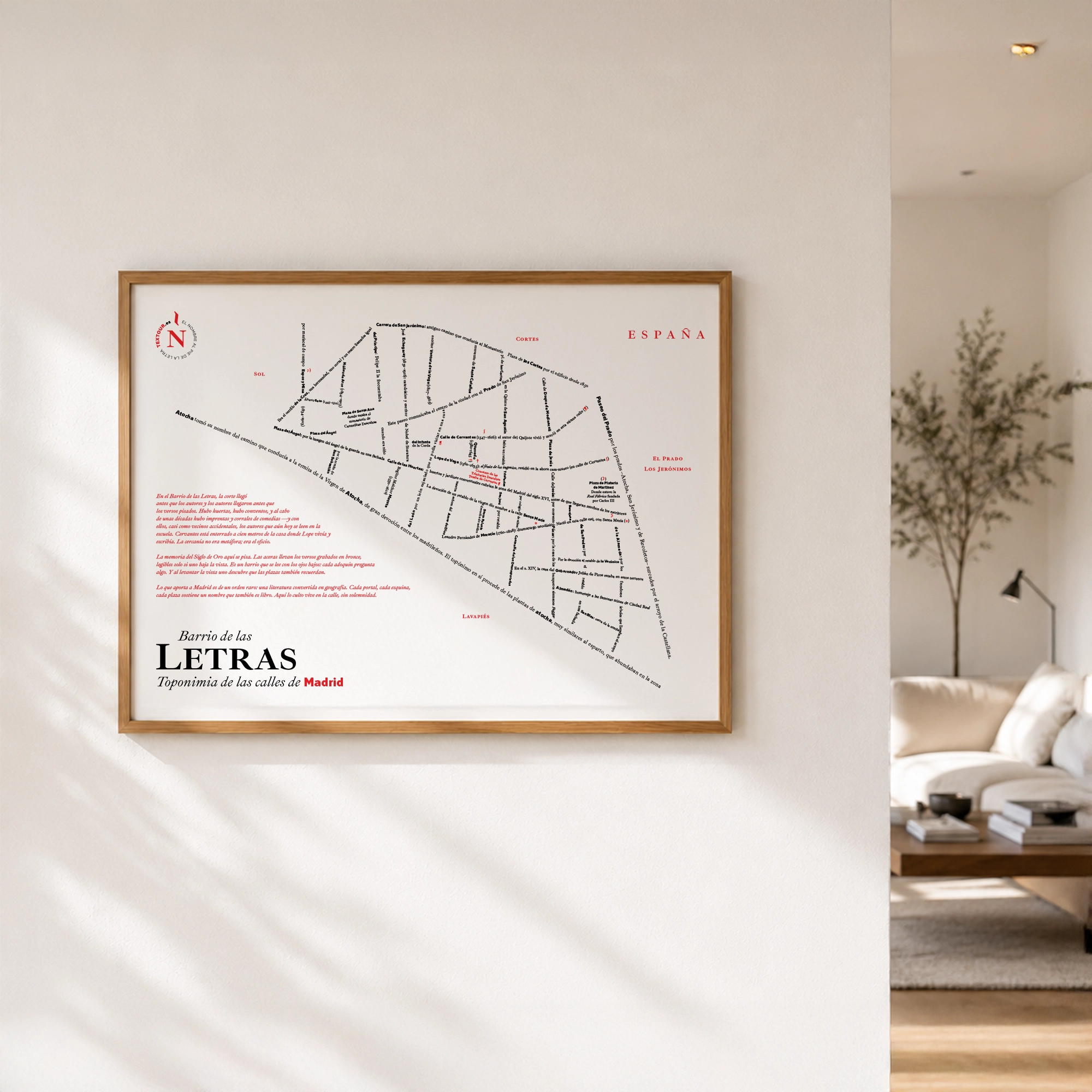
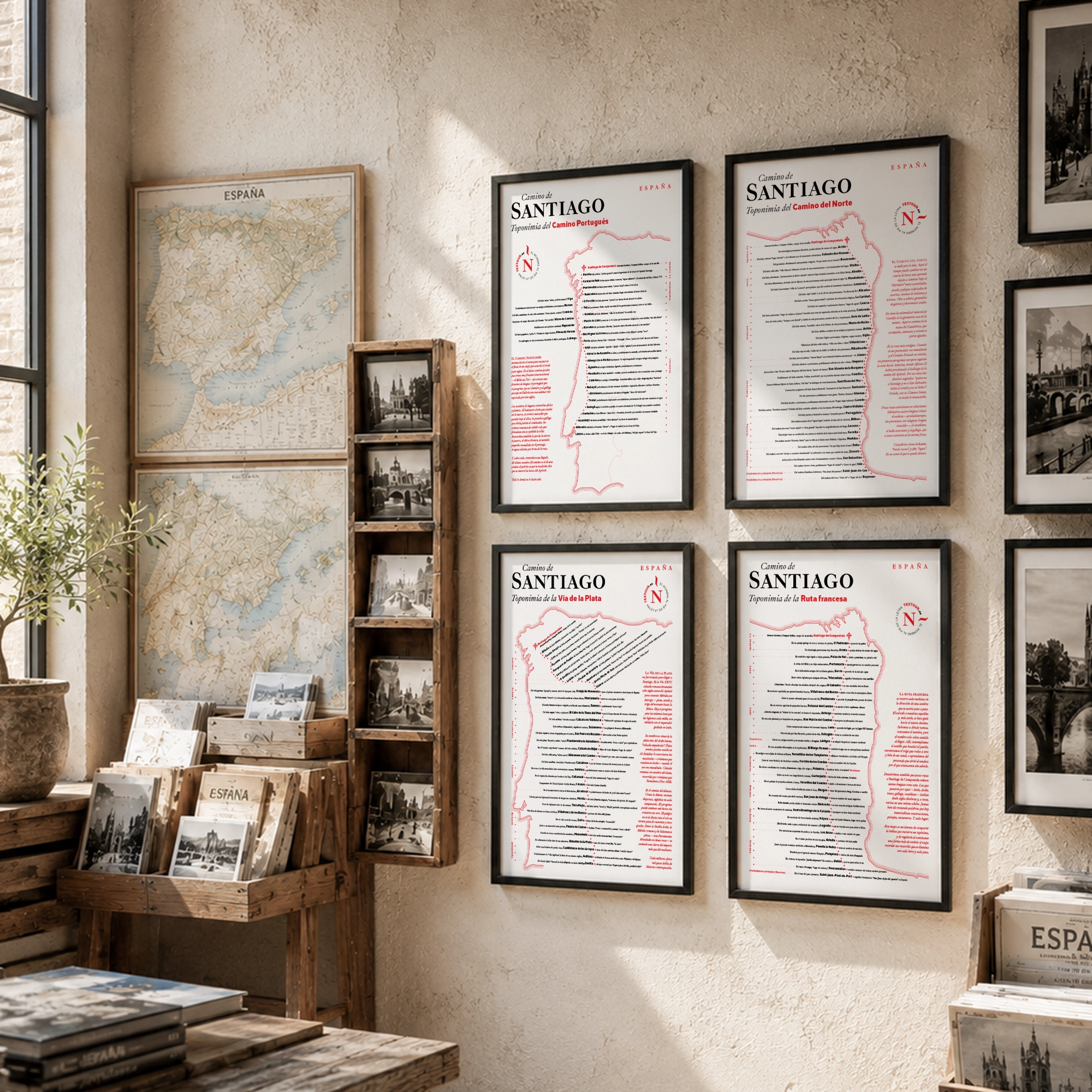
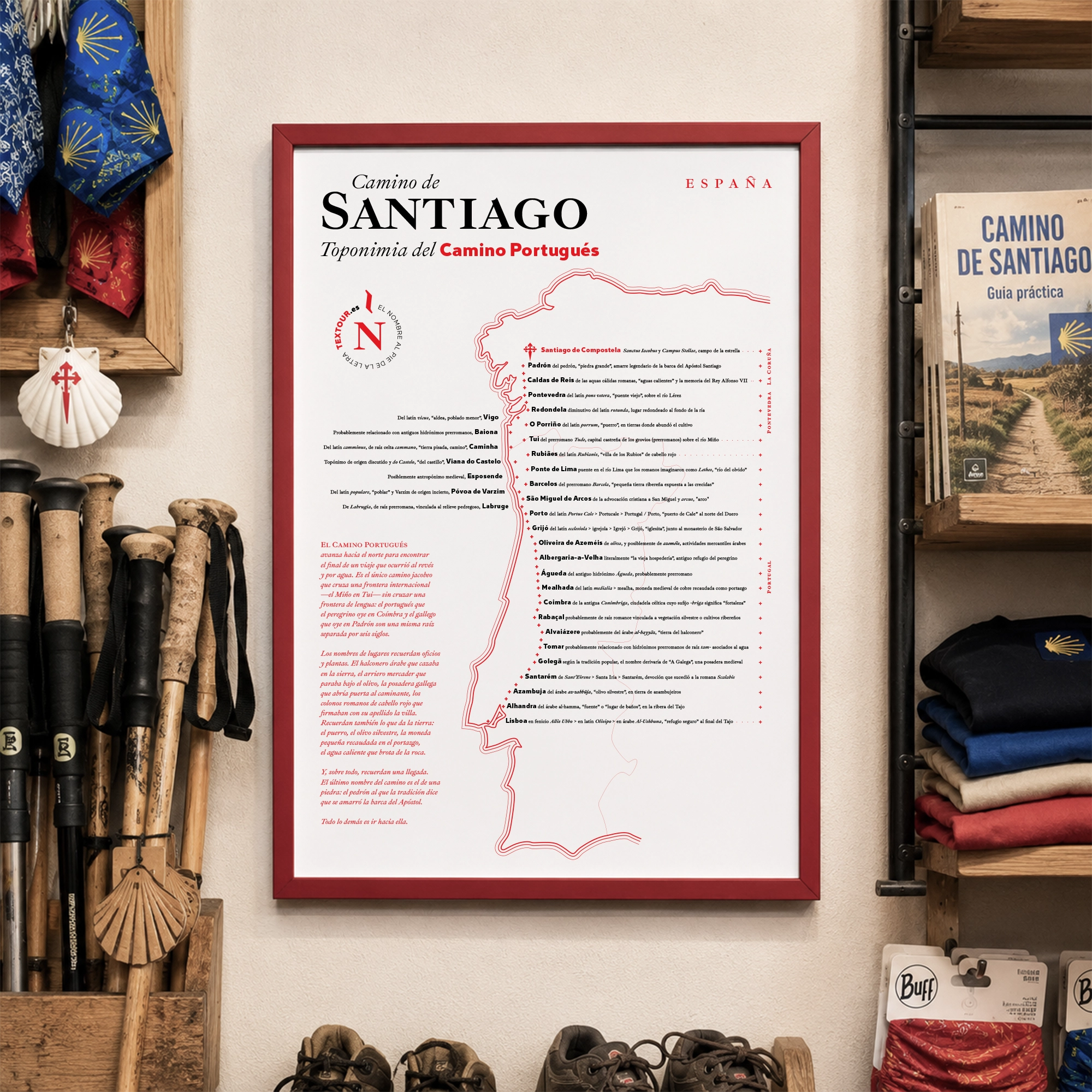
Juan Carlos Fernández discovered this while walking, and came home from his pilgrimage inspired. With Belén Olmedo, they fell for the idea of gathering all of it and sharing it the way they know how: through graphic design and the principles of identity. They began with a few maps and ended up with an interactive atlas that walks beside the pilgrim and names every step.
The Camino made them better and asked for something in return; CamiNomen is their way of answering the call, in the hope of moving others to come home from their pilgrimage with the same urge to give what they do best.
At a glance
- What it is
- An interactive atlas of the toponymy of the Camino de Santiago
- Web
- caminomen.es
- Coverage
- 626 place names · 22 routes · Spain, Portugal and France
- Languages
- Spanish and English
- Access
- Free, with no advertising and no tracking
- As an app
- It locates you and names the place in real time
- Authors
- Juan Carlos Fernández Espinosa and Belén Olmedo Laínz (identidad.com)
- Sustained by
- Sale of maps in shops and online, both in development
Press release
Pick a format, copy it in one click and reproduce it in whole or in part.
The toponymy of the Camino de Santiago, gathered in new maps and a site that walks with you.
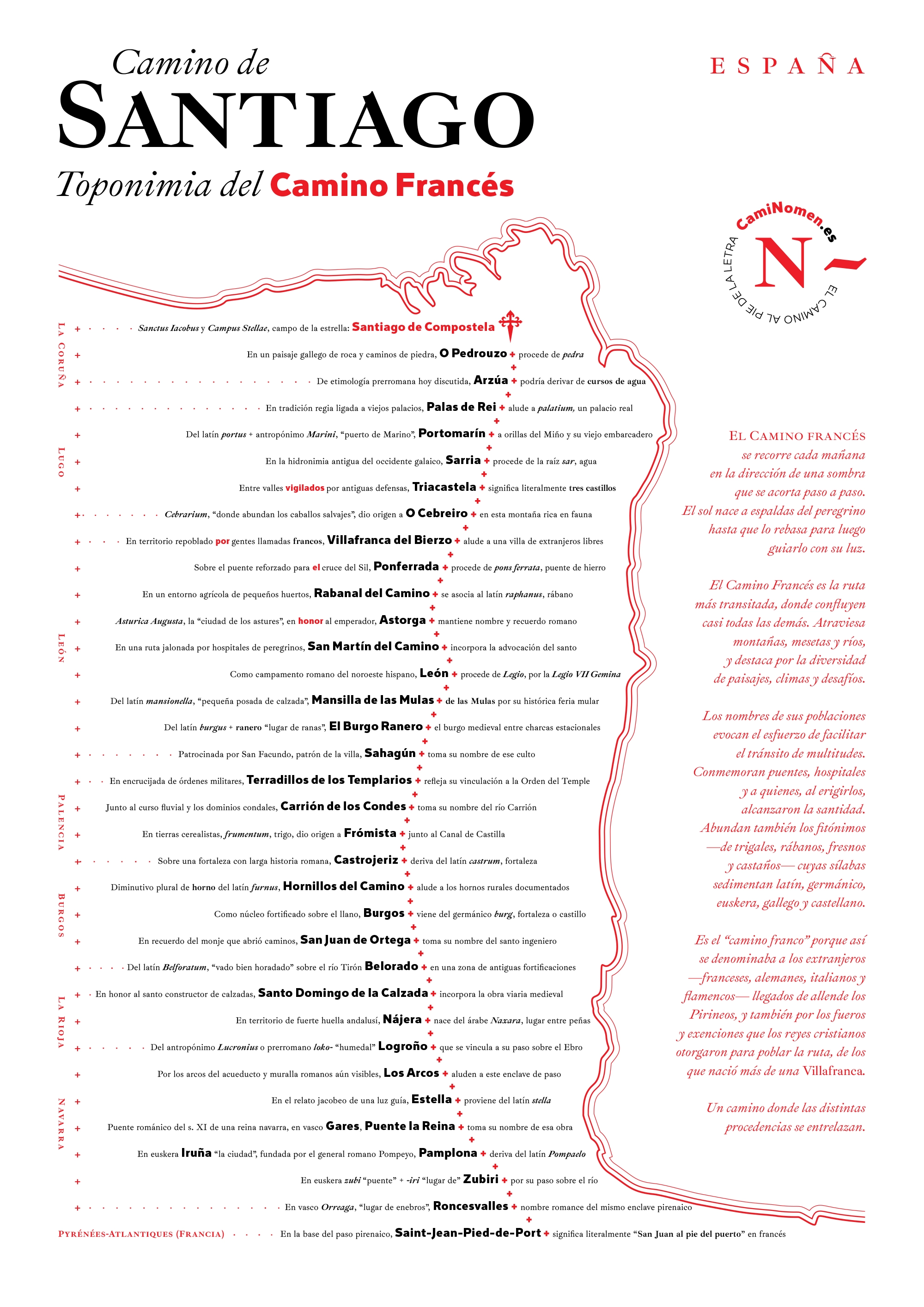
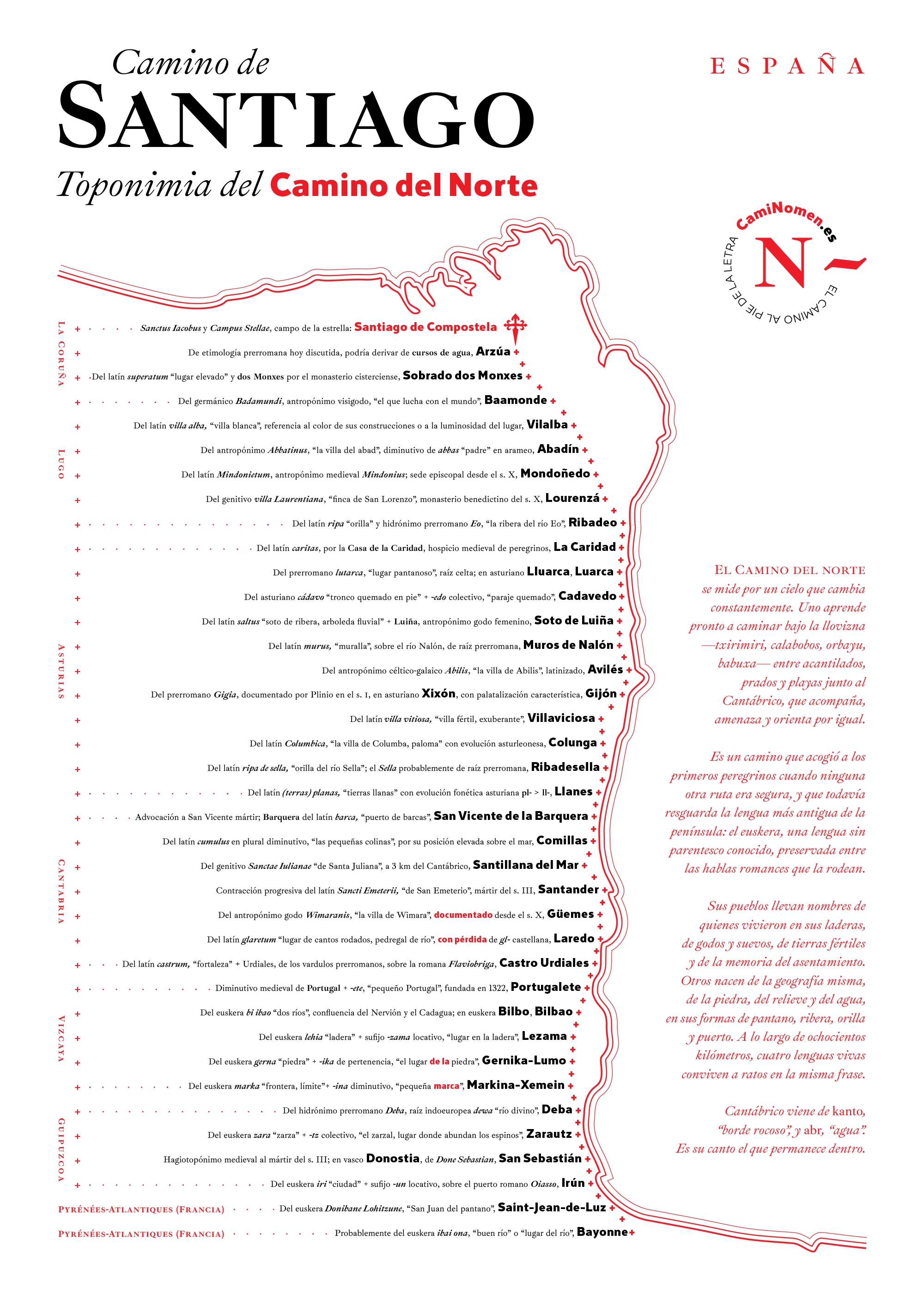
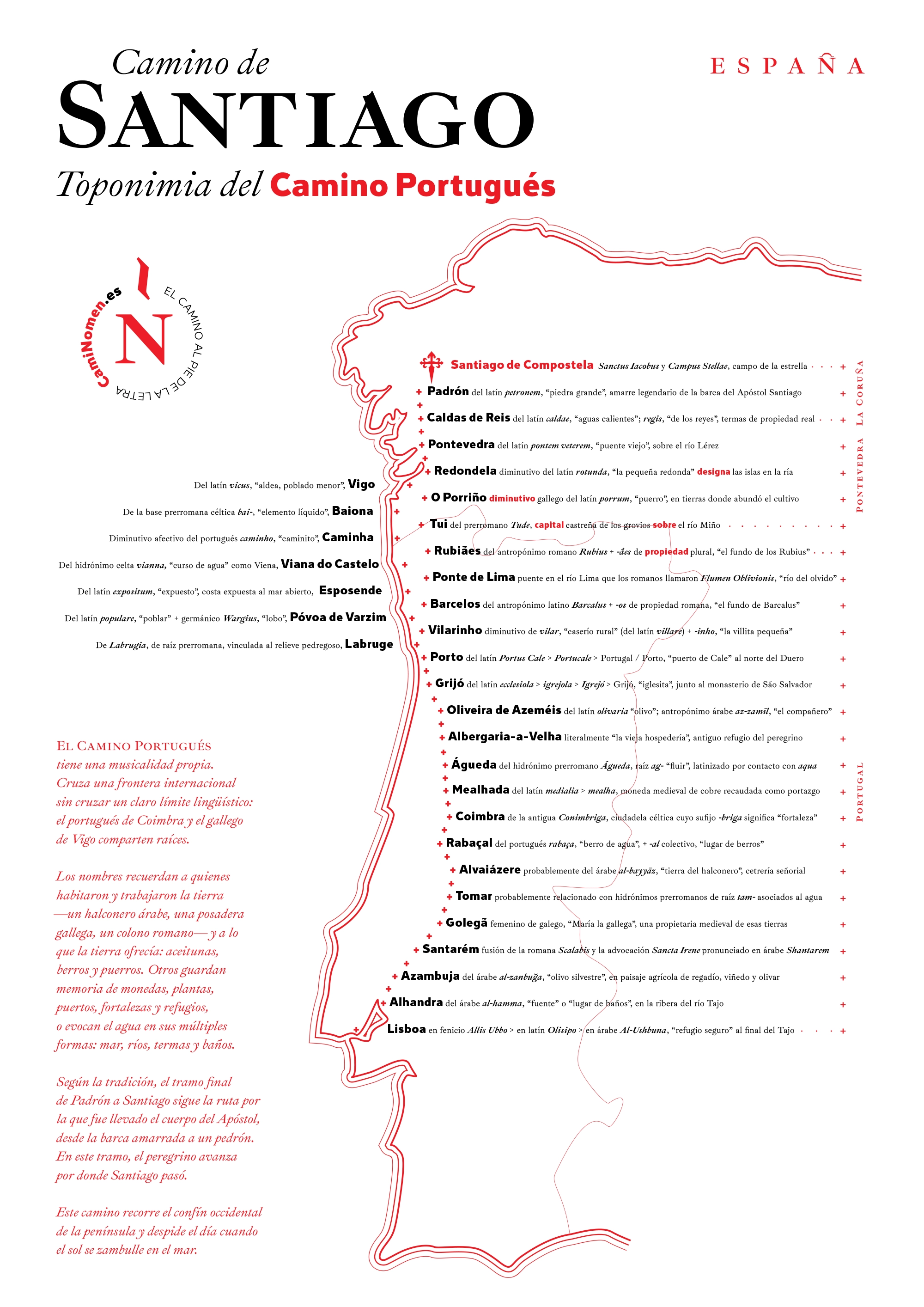
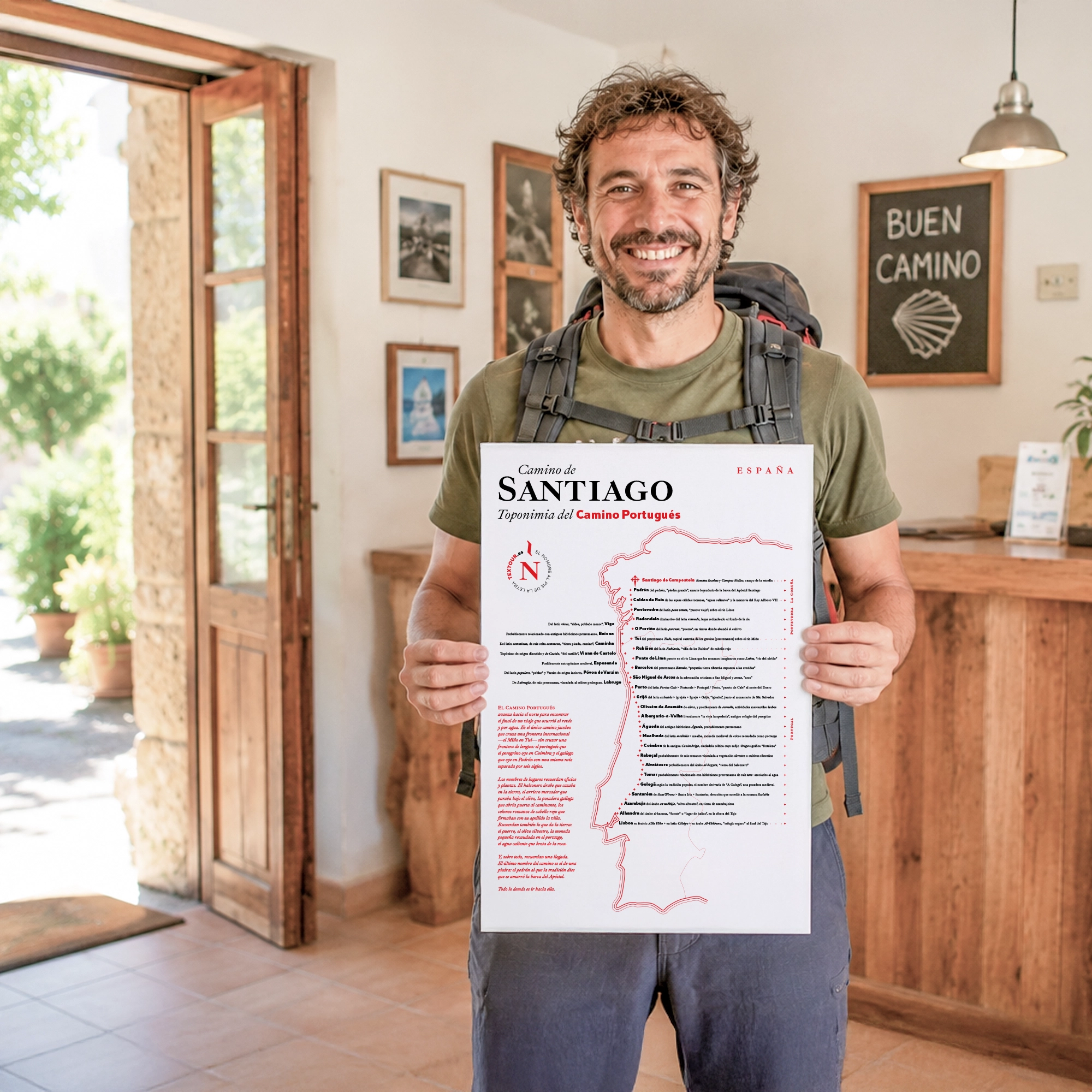
Printed maps and a free, interactive atlas gather, for the first time, the origins of 626 Camino de Santiago place names.
A place name is rarely random: the surroundings define it, culture makes it evolve, history changes it. The toponymy of the Camino de Santiago is well documented, but reaching it takes patience. For the first time, someone has gathered all of it: CamiNomen.es explains the origins of 626 place names across the 18 official Jacobean routes and their 4 connecting ways.
Juan Carlos Fernández discovered this while walking and came home from his pilgrimage inspired. With Belén Olmedo — both from the world of graphic design and identity programmes — he gathered hundreds of scattered studies, cross-checked them against the most reliable sources and each place’s official records, and distilled them into clear entries. Each one links the name to its history and, where it exists, to its Wikipedia page.
The result is an interactive atlas, free and bilingual, that works like an app: with the walker’s location, it tells the pilgrim where they are and what the name of the place holds. It covers 22 routes across Spain, Portugal and France, with no advertising and no tracking, and is sustained by the sale of its maps, in shops and online.
“The Camino changes you and leaves you wanting to give something back. We know how to design, so we answered that call with this. I hope it moves others to come home from their pilgrimage with the same urge to give what they do best.”Juan Carlos Fernández, co-founder of CamiNomen
“CamiNomen is a way to deepen the experience and extend the enjoyment of those who have walked the Camino. But it also seeks to invite those who haven’t, and to give them a new level of understanding of the origins of the Camino.”Belén Olmedo, co-founder of CamiNomen
About CamiNomen
CamiNomen.es gathers the origin and meaning of the names of the towns and cities of the Camino de Santiago: 626 place names across 22 routes in Spain, Portugal and France, in Spanish and English. Free, with no advertising and no tracking. It was created by Juan Carlos Fernández and Belén Olmedo, of the identity studio identidad.com, and is sustained by the sale of its maps, in shops and online.
— end —
CamiNomen.es is a free, interactive, bilingual atlas that gathers, for the first time, the origins of 626 place names across the 18 official Jacobean routes and their 4 connecting ways. A place name is rarely random, but reaching its story takes patience; CamiNomen collects it and shares it through design. It was created by Juan Carlos Fernández and Belén Olmedo after his pilgrimage. It works like an app: with your location, it names the place where you are. It covers 22 routes across Spain, Portugal and France, with no advertising and no tracking, and is sustained by the sale of its maps.
Every road to Santiago is a string of pearls, and every name holds a story. CamiNomen.es gathers the origins of 626 place names across the 18 official Jacobean routes and their 4 connecting ways, in a free, interactive, bilingual atlas that names the place where you are. caminomen.es · #CaminoDeSantiago #Toponymy
Motion
For video and social, free for editorial use. Each map tour comes in two formats to choose from: poster (vertical, the printed map’s proportion) for posts, and 9:16 for reels and stories. Includes the animated Norteño mark.
Press images
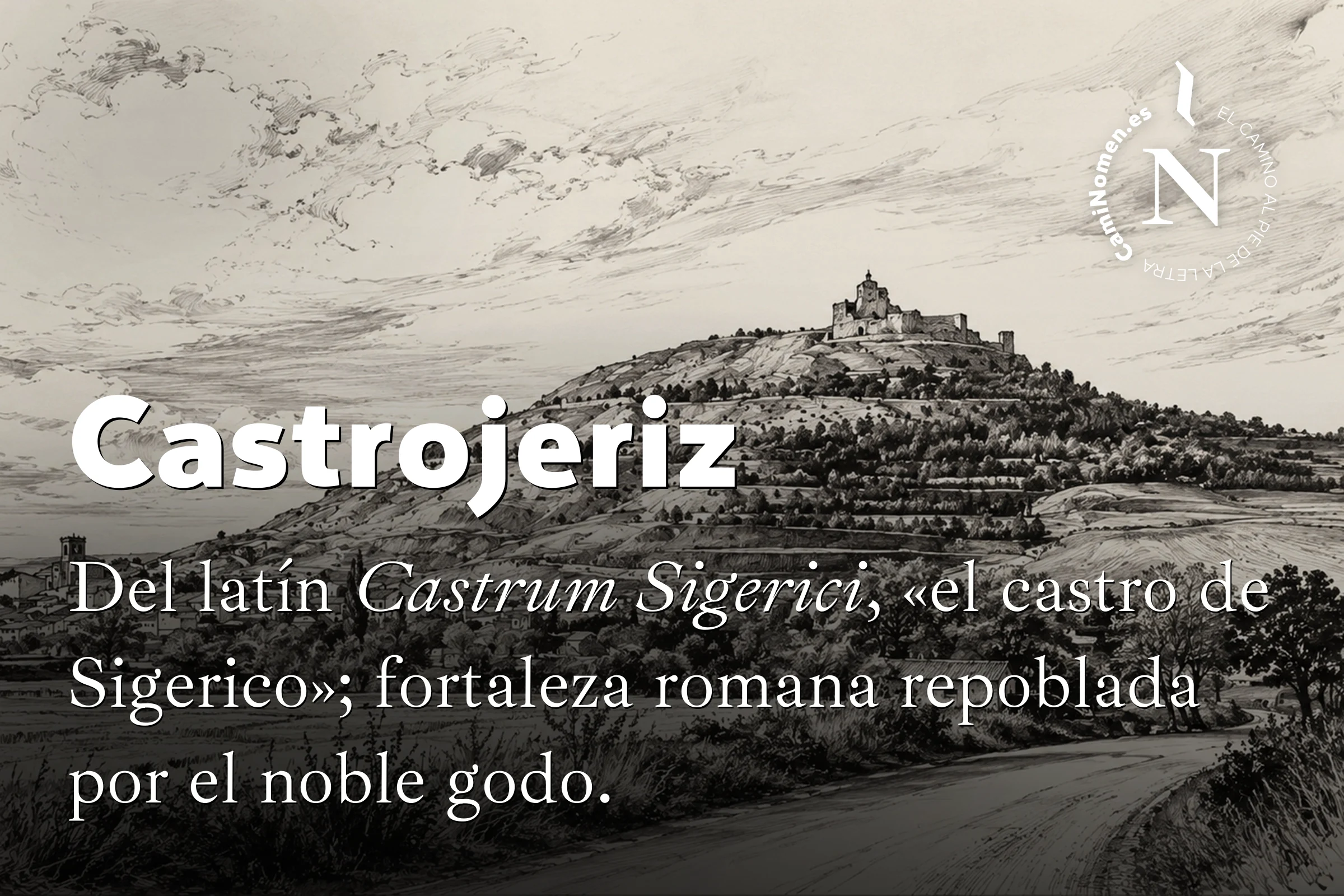
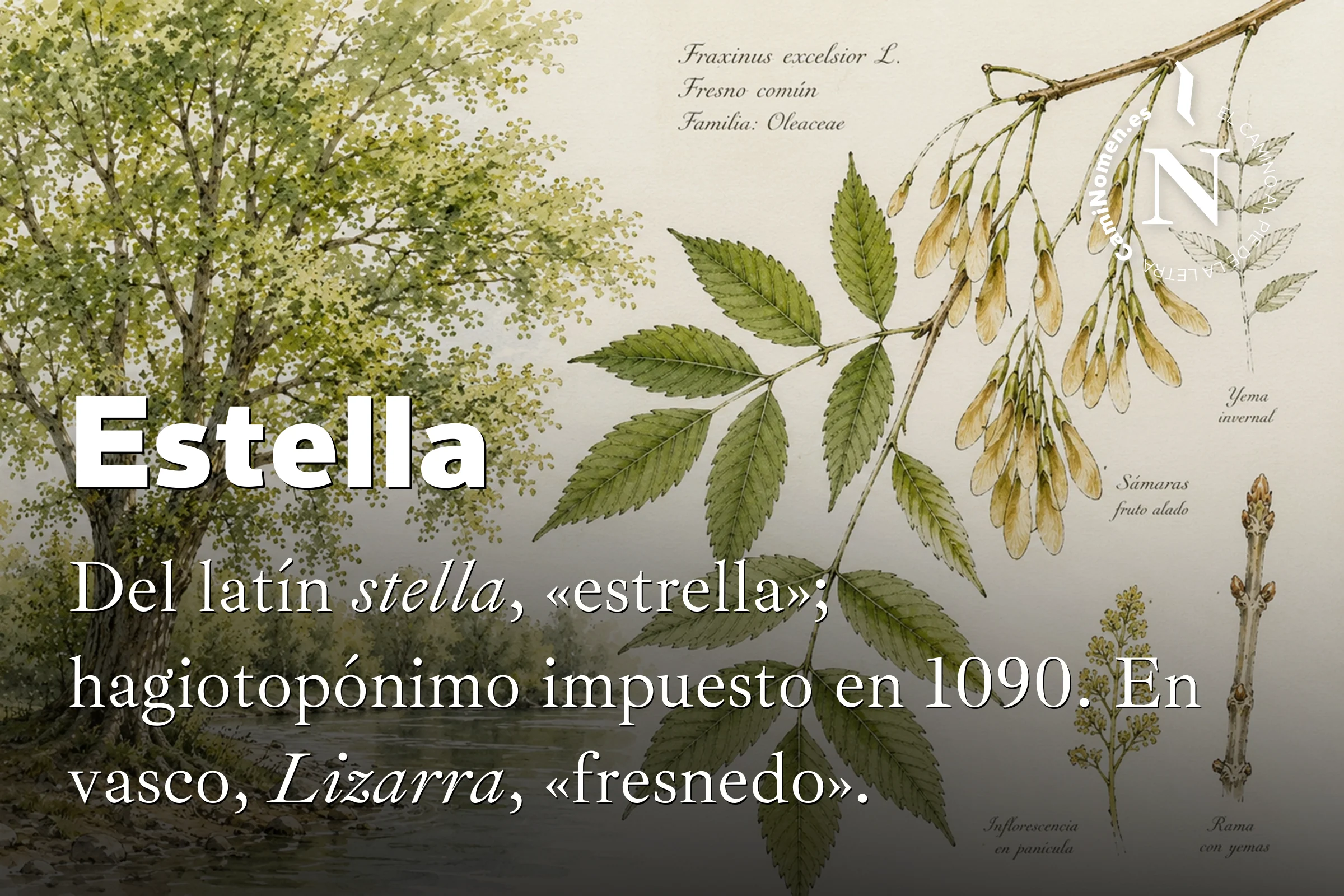
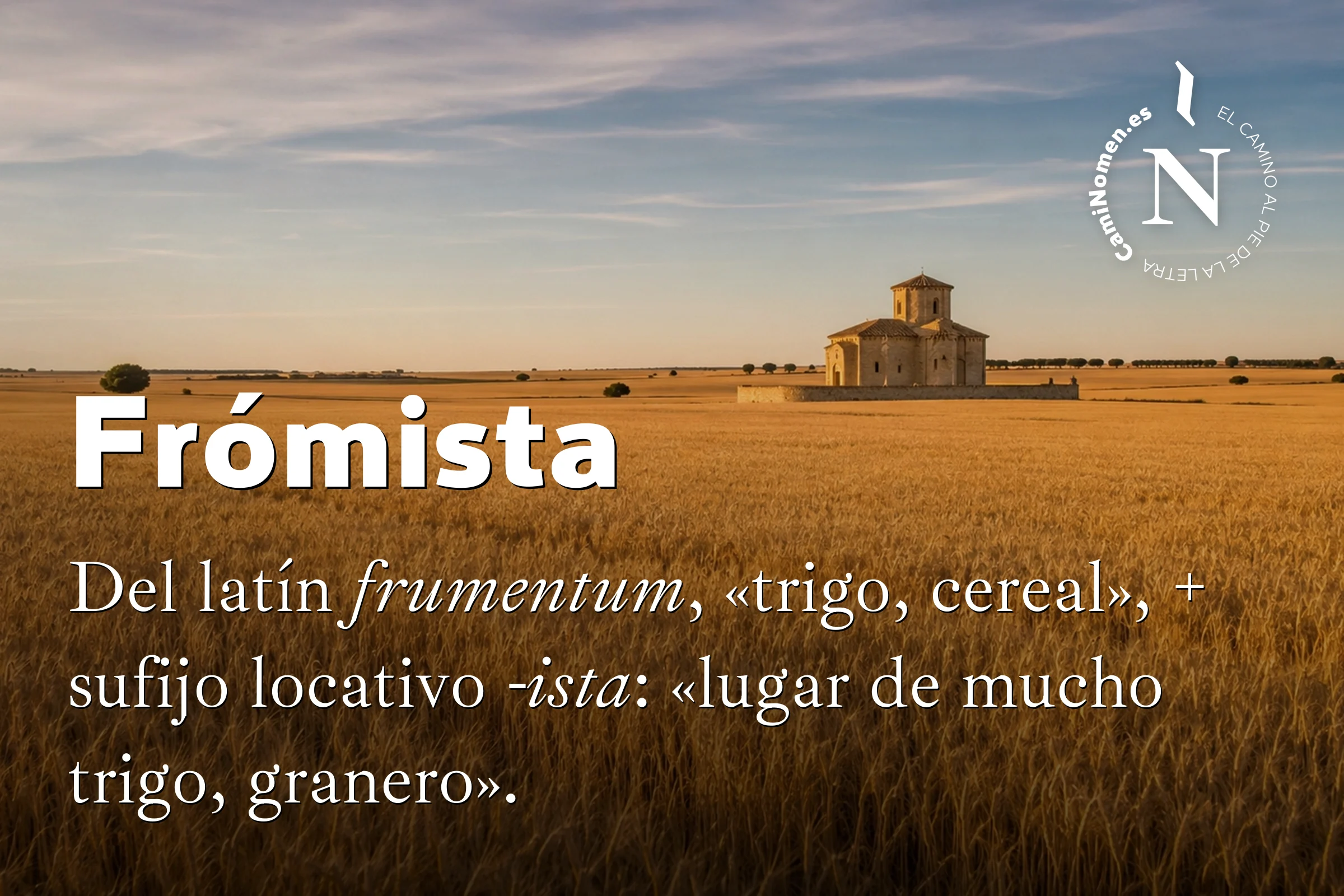
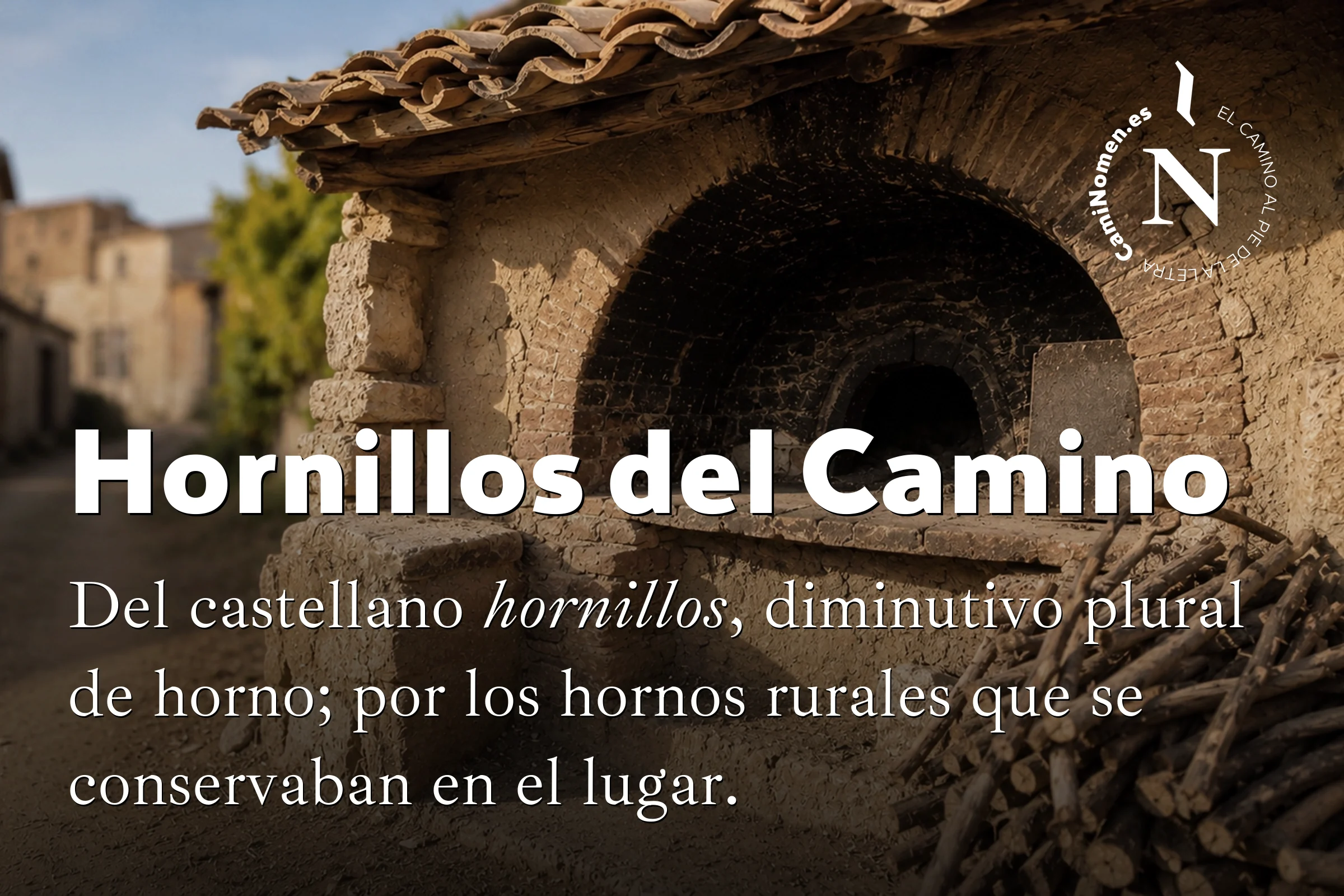
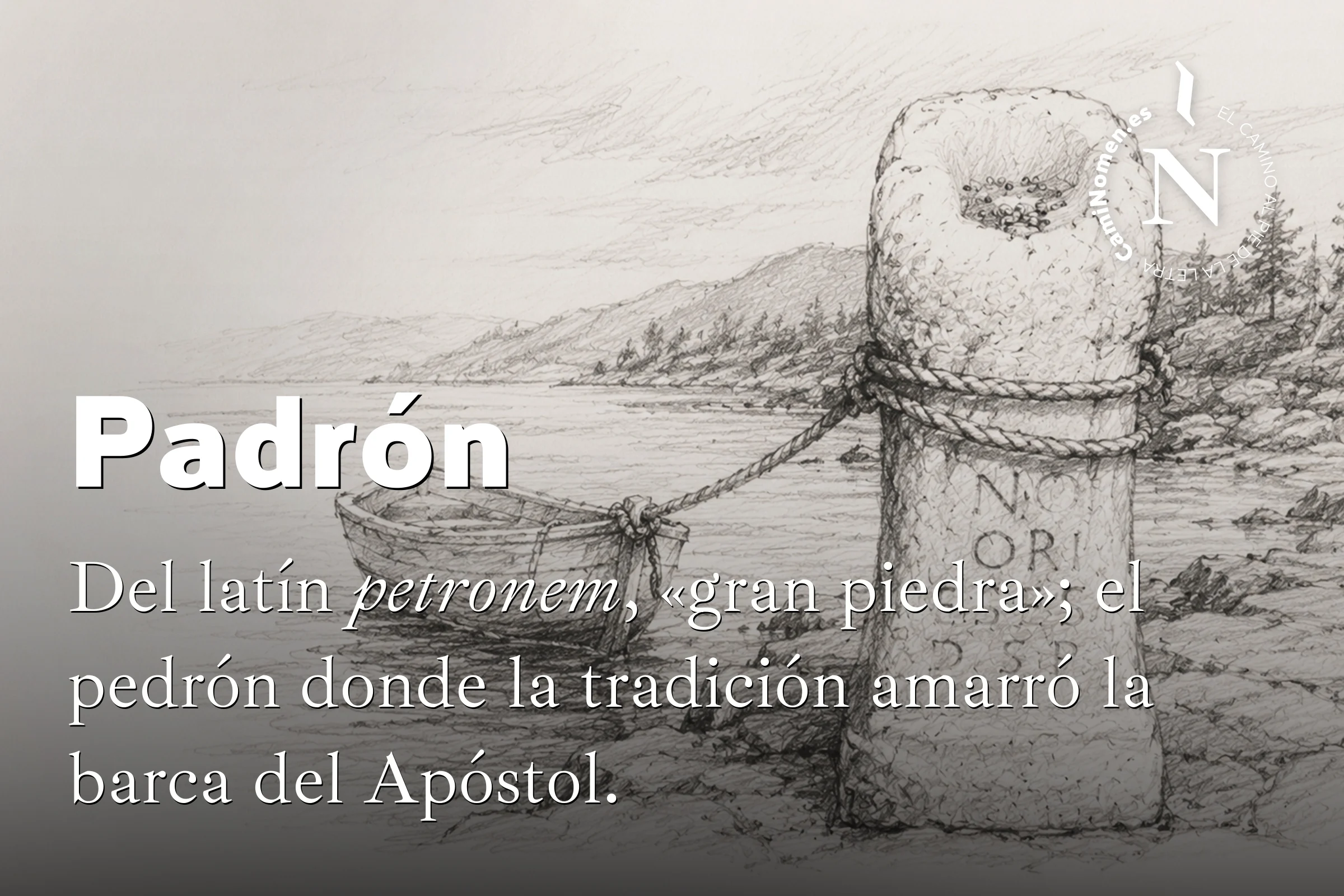
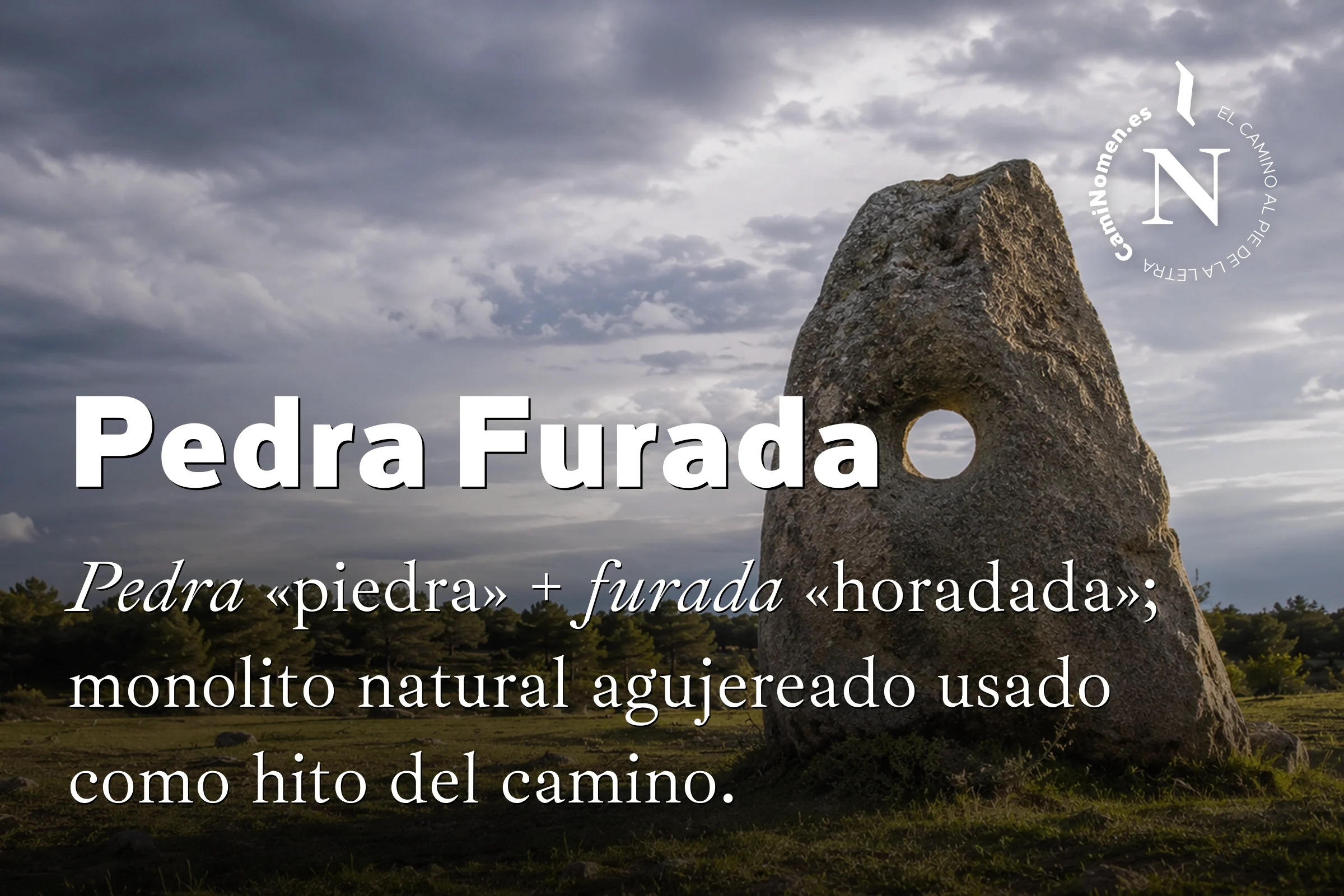
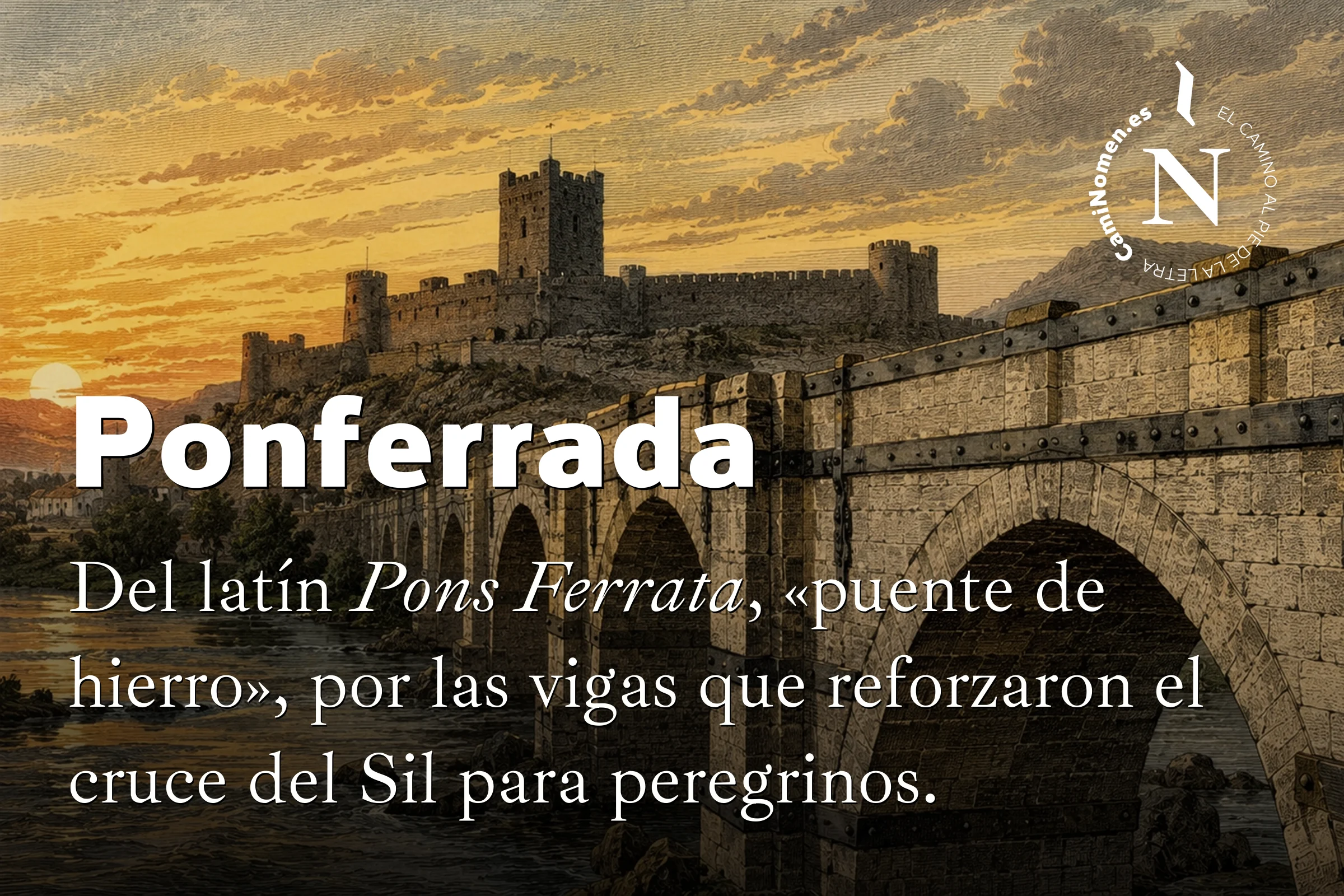
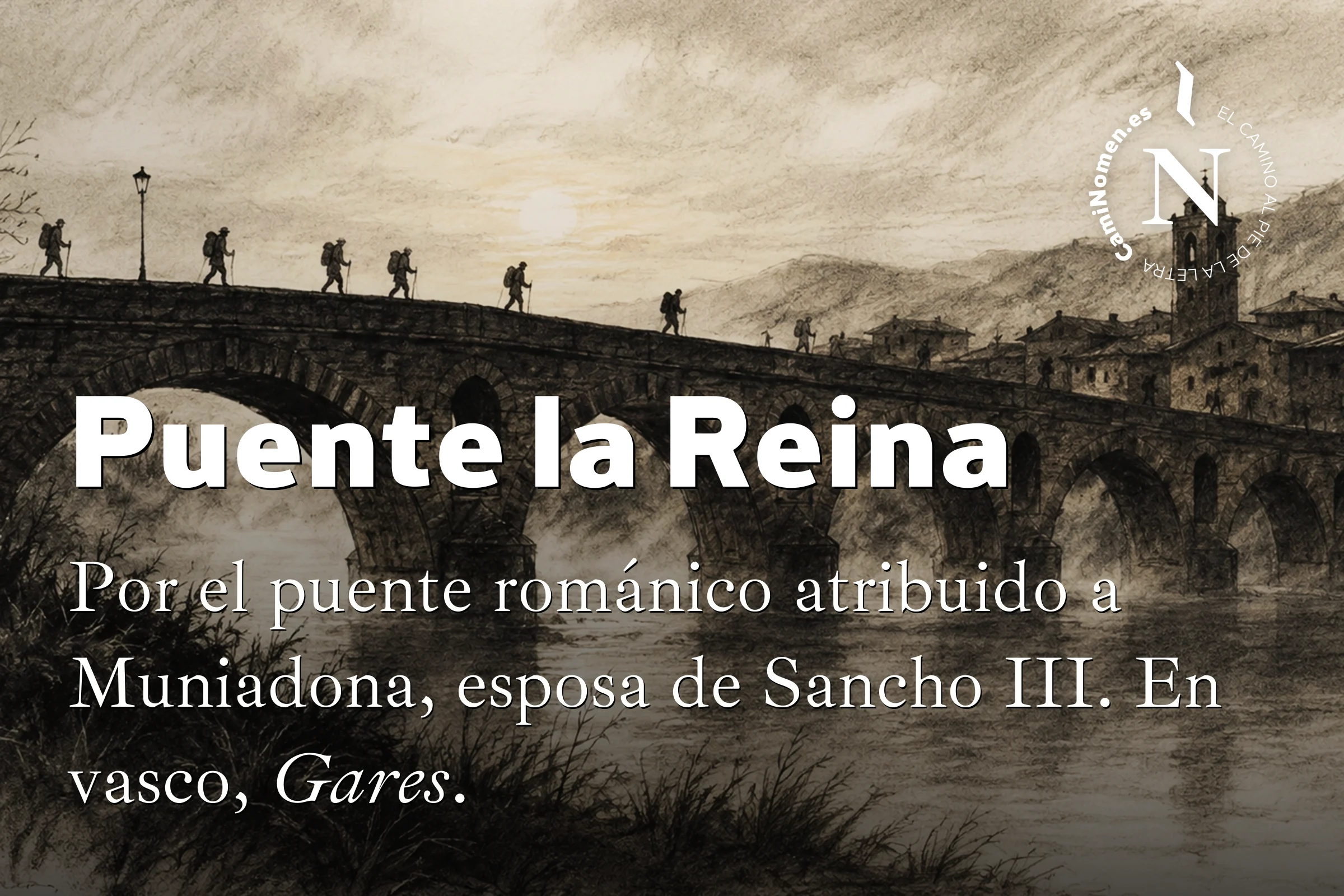
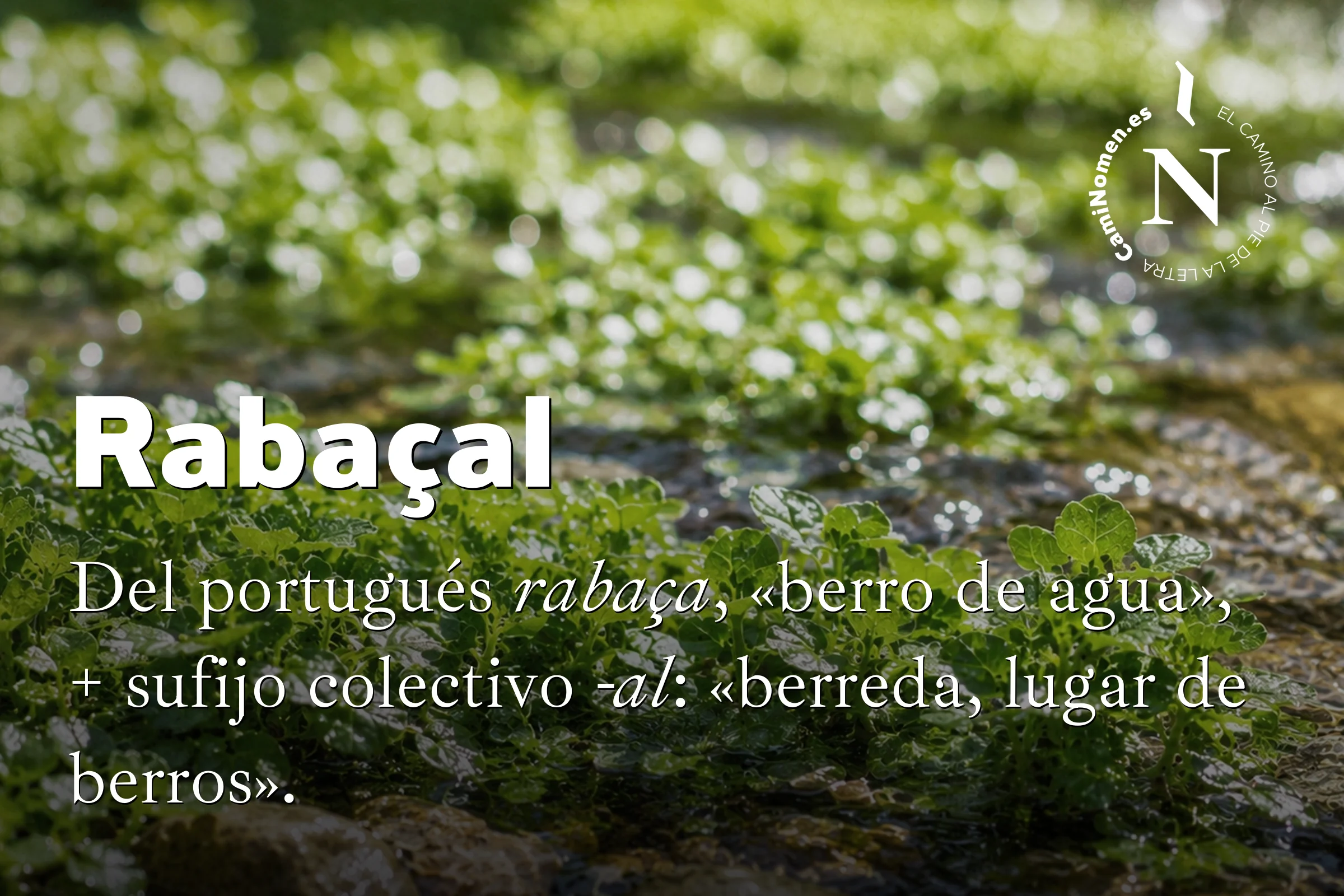
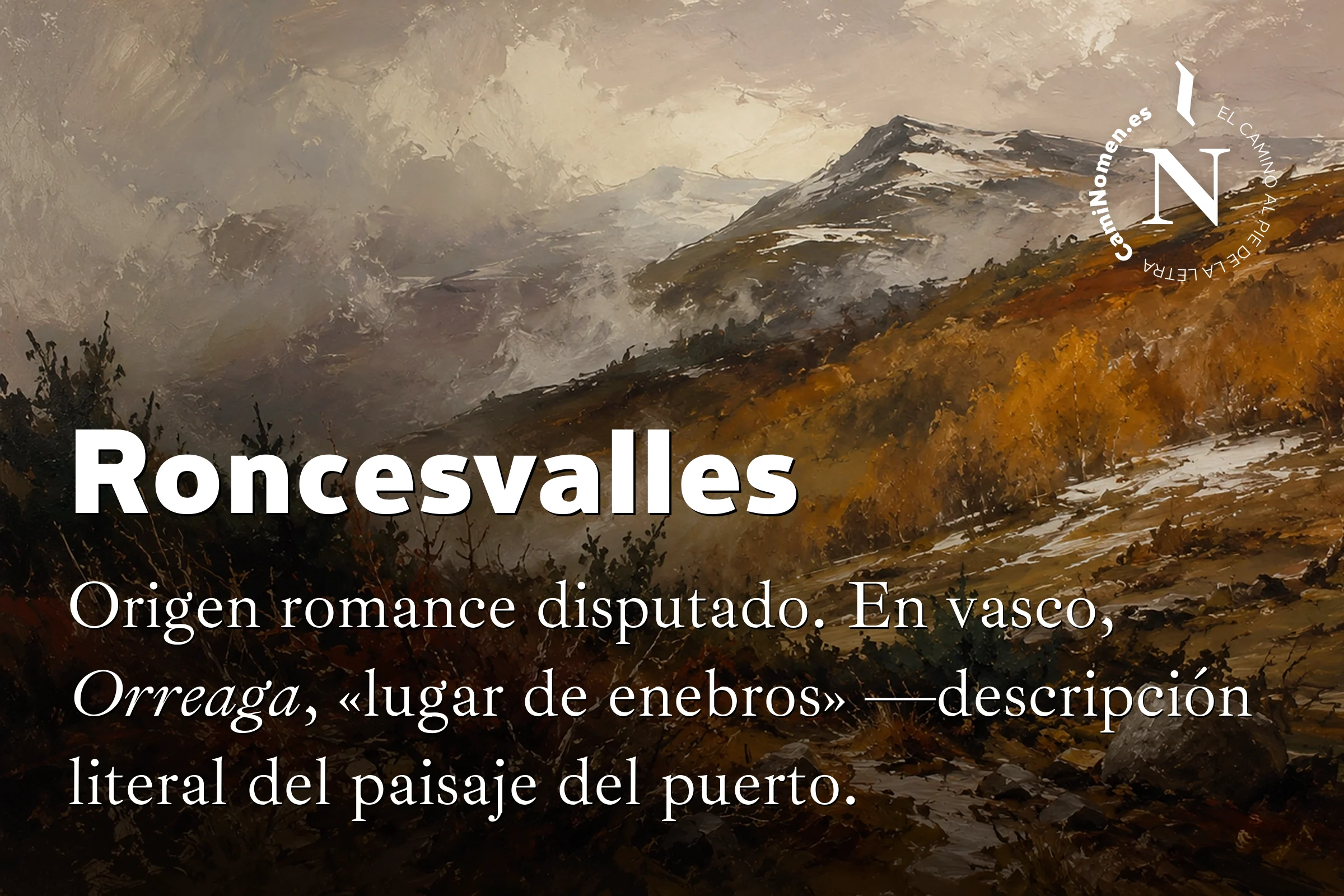
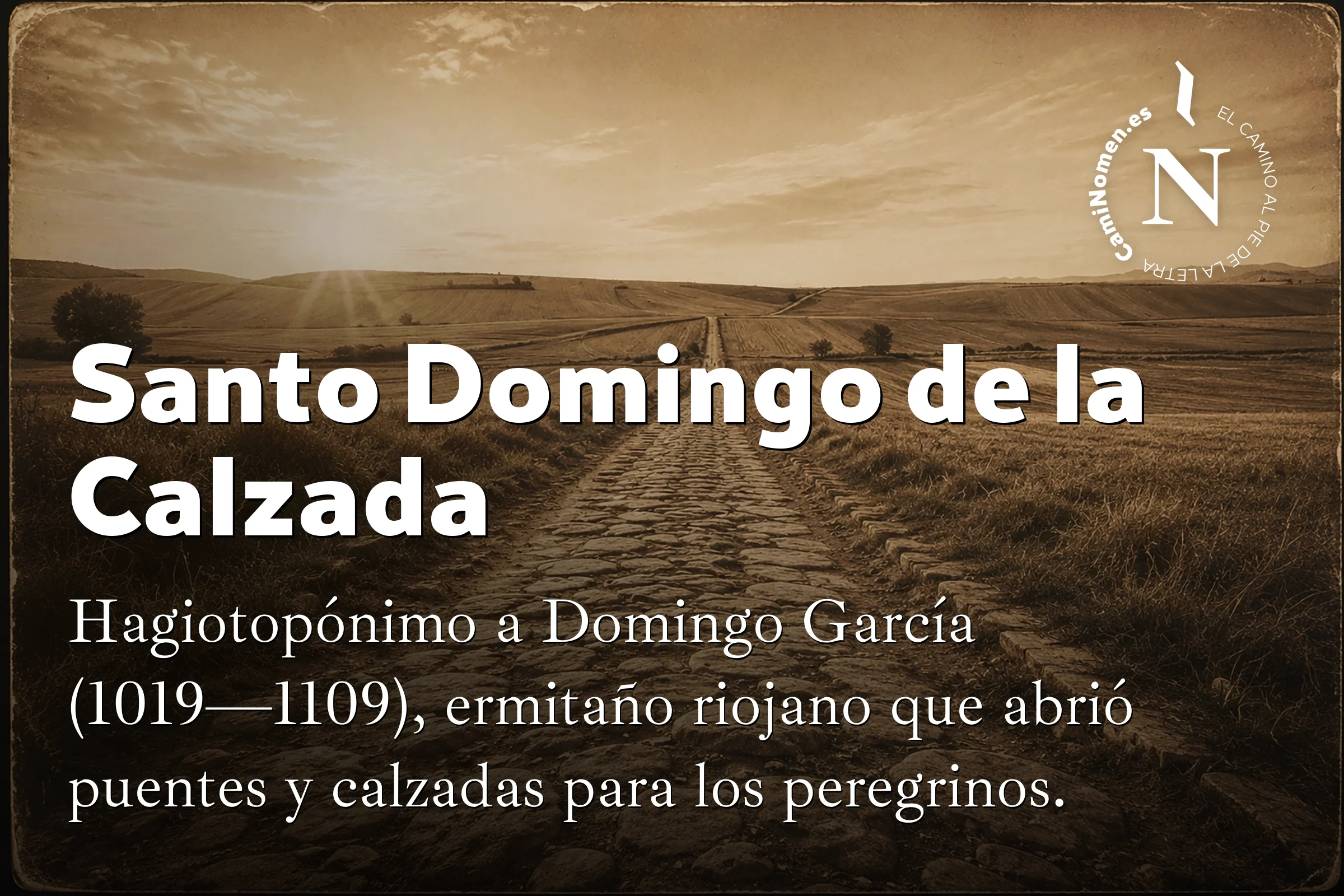
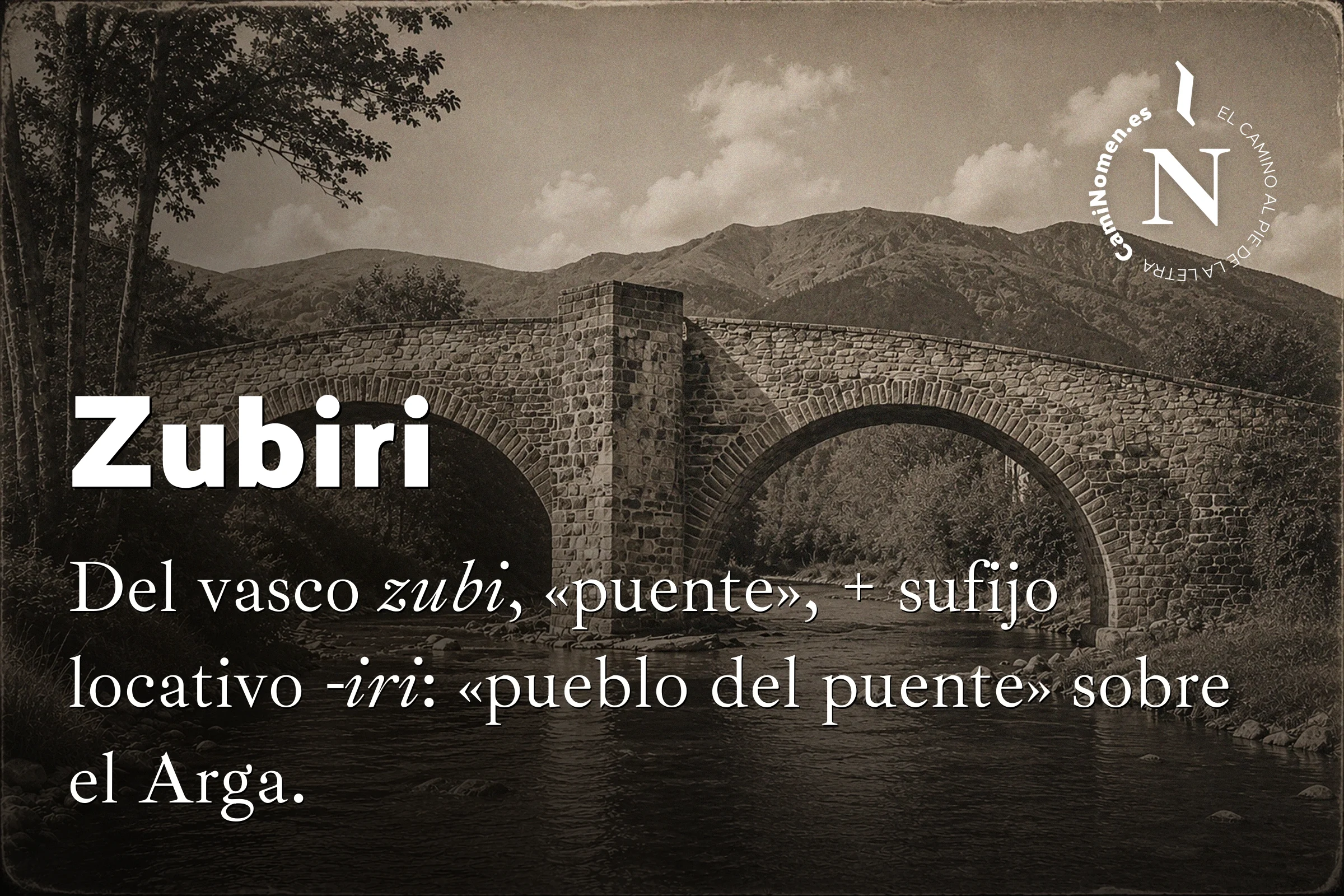
Free for editorial use with the credit “© CamiNomen.es”. Click to download at full resolution.

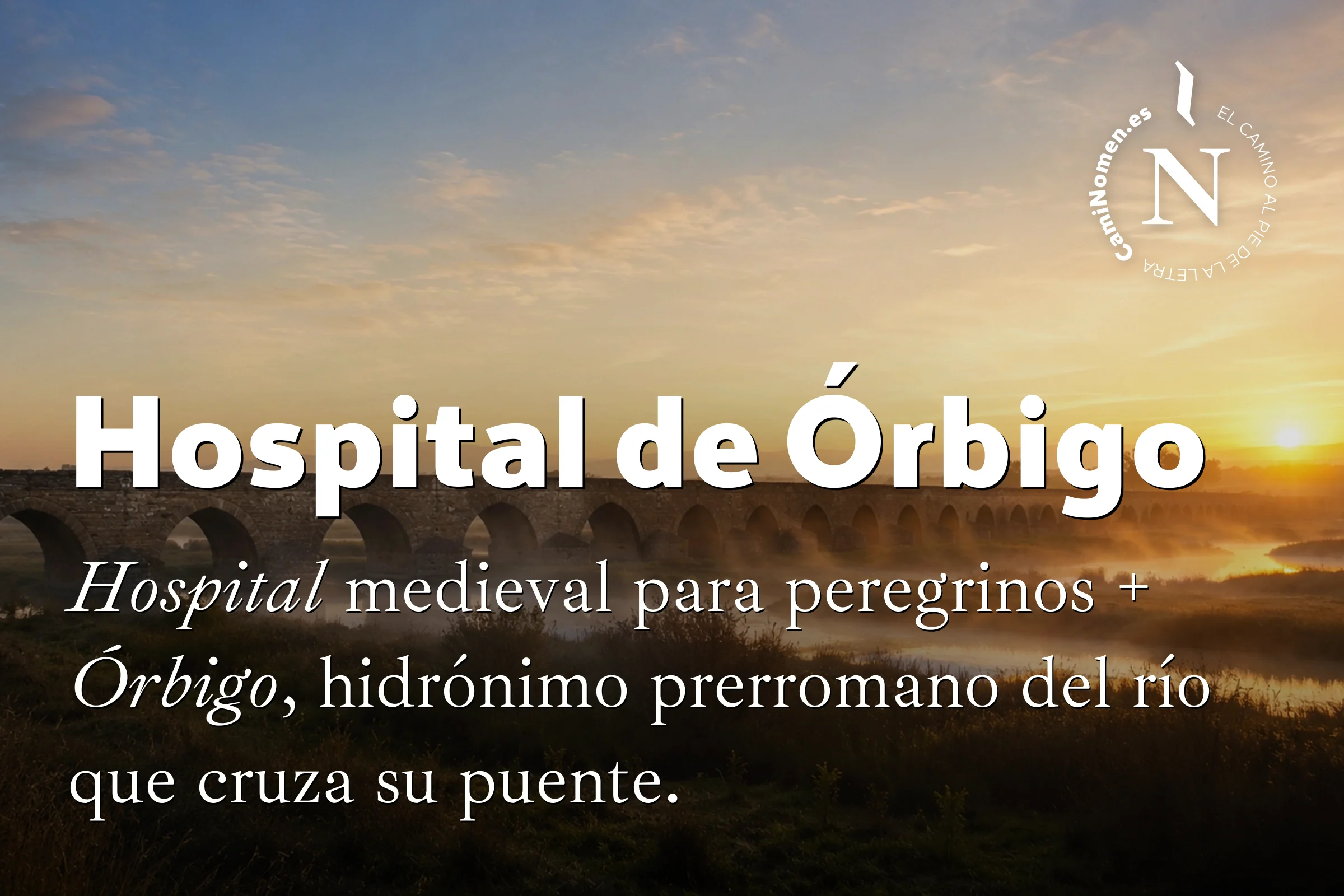
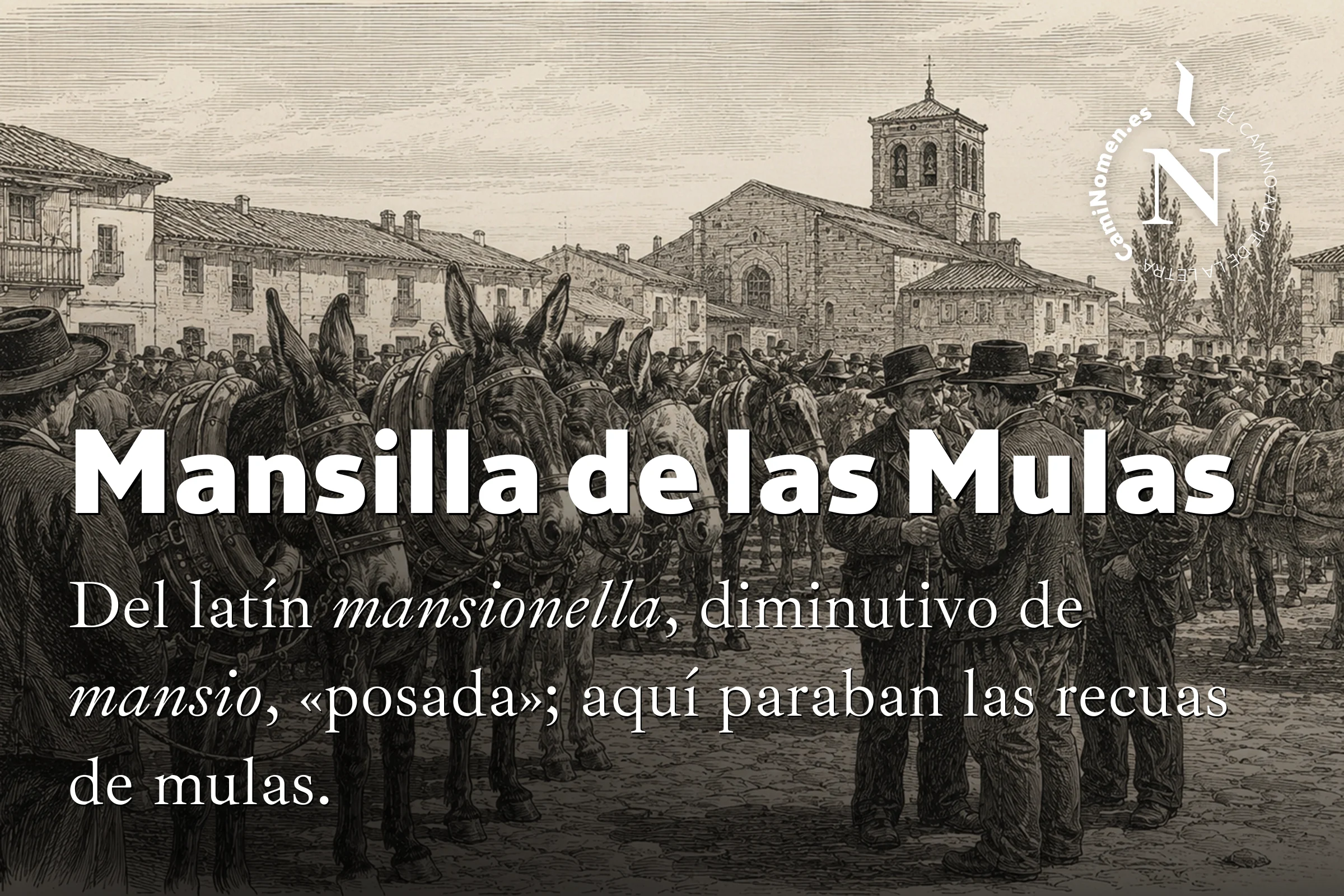
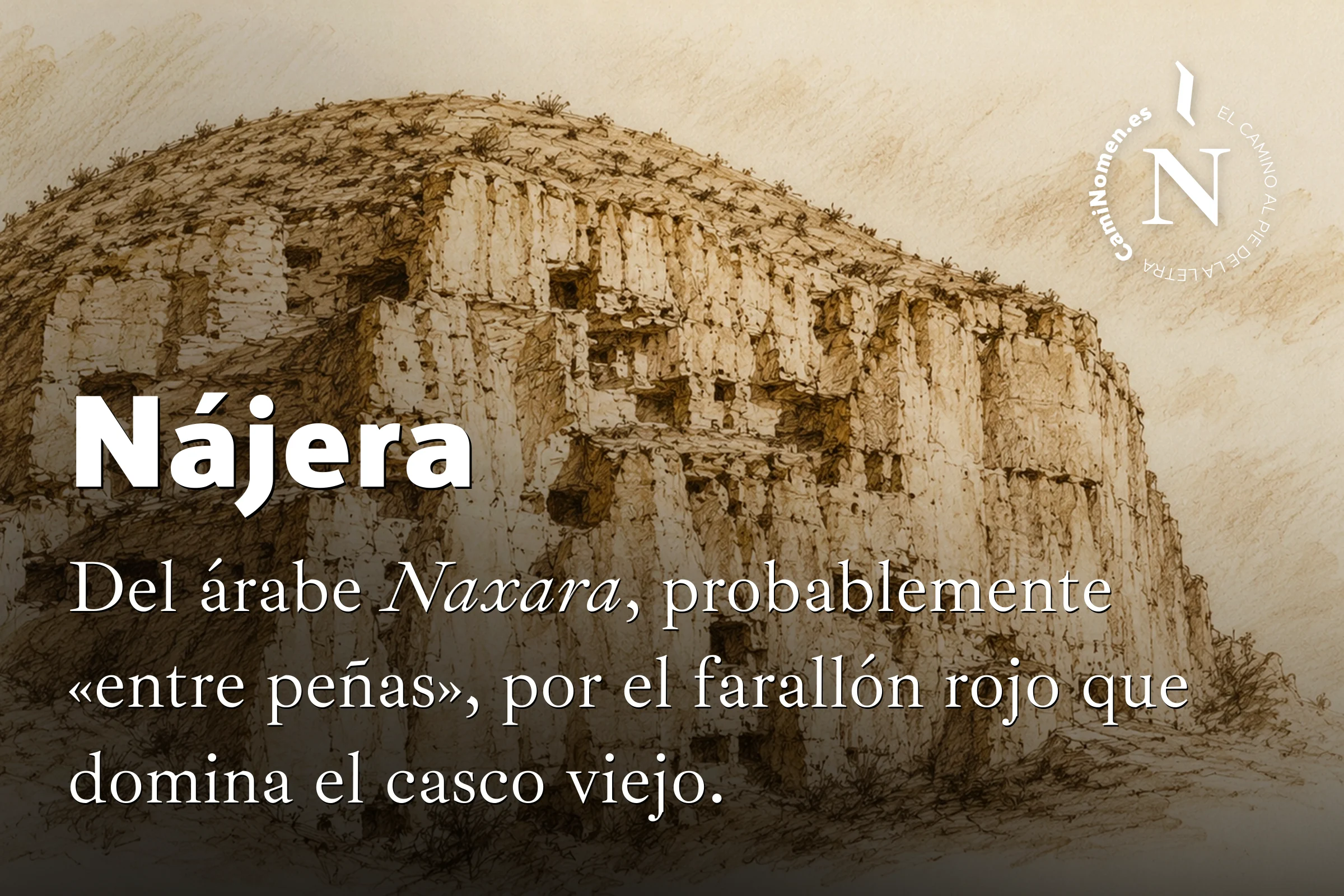
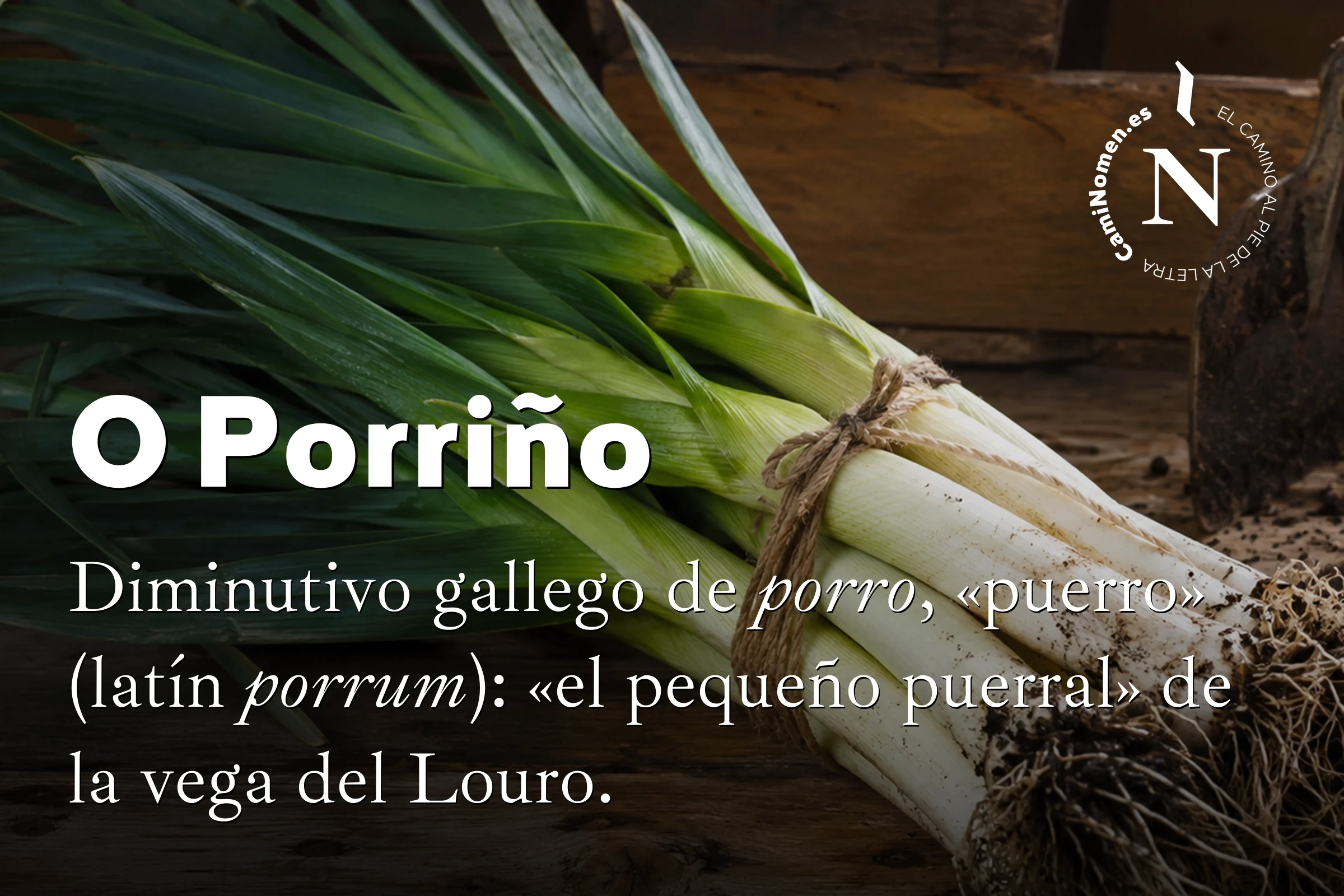
Press contact
Juan Carlos Fernández Espinosa
Designer · Mexican-Spanish
jc@identidad.com
· +34 653 321 619
· LinkedIn
Belén Olmedo Laínz
Architect and designer · Spanish
belen@identidad.com
· LinkedIn